
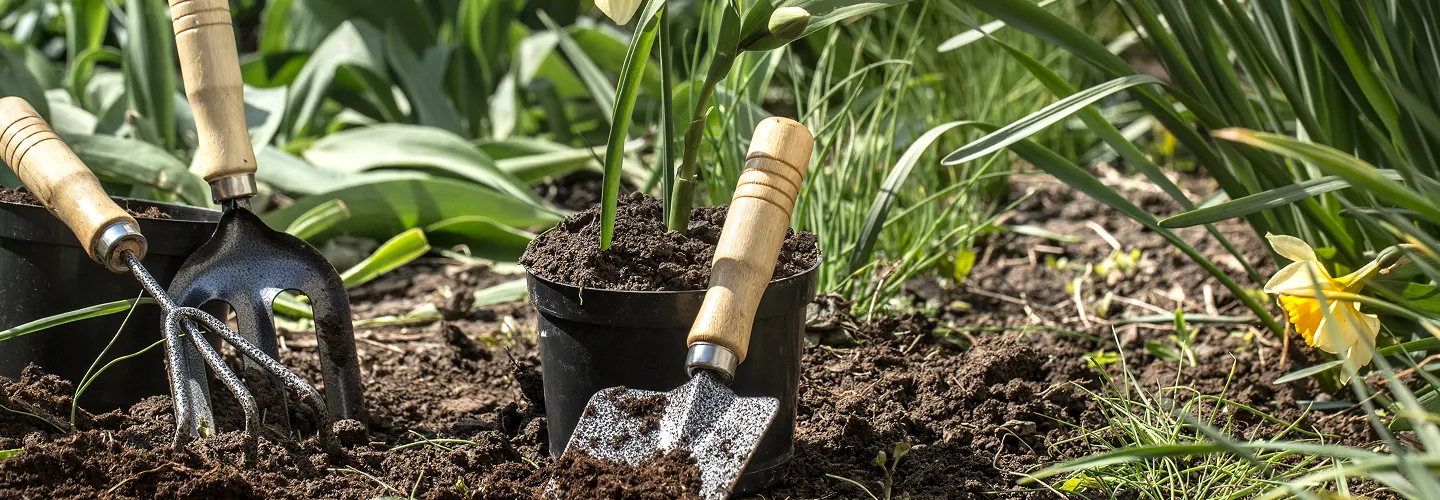
Houston Lawn Renovation Services
Choose our expert lawn renovation services in Houston for a lush, healthy yard that boosts your curb appeal and creates a welcoming outdoor space for your family and guests.
Get a Free QuoteOur Houston Landscaping & Yard Care Services
When to Schedule Lawn Renovation in Houston, Texas – Seasonal Guide
In Houston, timing your lawn renovation is crucial for achieving lush, resilient turf that thrives in our unique Gulf Coast climate. The best periods for lawn renovation are typically late spring and early fall, when soil temperatures are warm enough to encourage strong root growth but before the peak of summer heat or winter chill. Houston’s weather patterns—marked by high humidity, unpredictable rainfall, and occasional drought—mean that careful planning is essential. Neighborhoods like The Heights, West University, and River Oaks often experience microclimates due to varying tree coverage and proximity to bayous, which can affect soil moisture and sunlight exposure.
Local environmental factors such as the city’s average last frost date in early March, the risk of summer drought, and the prevalence of clay-heavy soils all play a role in determining the optimal renovation window. Areas near Memorial Park or along Buffalo Bayou may have different shade and drainage considerations compared to more open suburban developments. For more information on local environmental guidelines, visit the Sudbury municipal site.
Local Factors to Consider for Lawn Renovation in Houston
- Tree density and shade coverage, especially in established neighborhoods
- Soil type (clay, sand, or loam) and drainage capacity
- Seasonal precipitation patterns and drought risk
- Municipal watering restrictions and local ordinances
- Terrain slope and proximity to bayous or flood-prone areas
- Timing of local pest and weed cycles
Benefits of Lawn Renovation in Houston
Expert Local Knowledge
Customized Lawn Solutions
Efficient Project Completion
Eco-Friendly Practices
Comprehensive Lawn Care
Reliable Customer Support
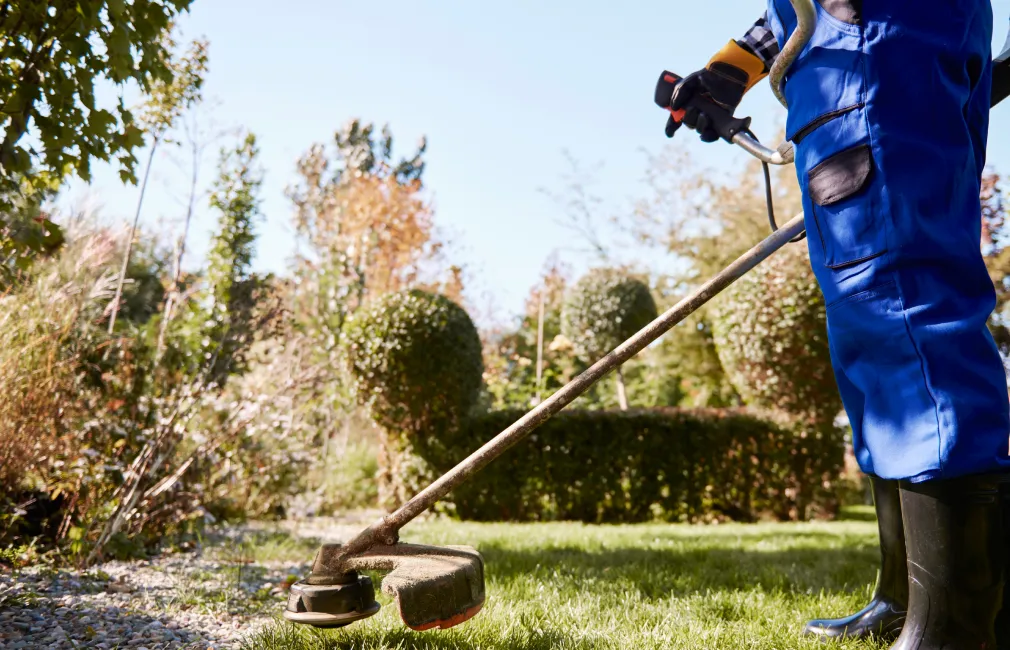
Houston Lawn Renovation Types

Sod Installation
-
Hydroseeding
-
Soil Aeration
-
Overseeding
-
Topdressing
-
Weed and Pest Control
-
Irrigation System Upgrades
Our Lawn Renovation Process
Site Evaluation
Soil Preparation
Seeding or Sodding
Watering and Fertilization
Ongoing Maintenance
Why Choose Houston Landscape Services
-
Houston Homeowners Trust Us
-
Expert Lawn Maintenance
-
Competitive Pricing
-
Professional Team
-
Satisfaction Guarantee
-
Personalized Service
-
Reliable Scheduling
Houston Black Clay and Coastal Sandy Soils: Site Assessment for Lawn Renovation
Houston’s predominant soils, including Houston Black clay and coastal sandy series, present unique challenges for lawn renovation. Houston Black clay is expansive, with high shrink-swell potential and poor drainage, requiring core aeration to a depth of 2-3 inches and compost incorporation (2-3 inches tilled to 6-inch depth) for improved structure. Coastal sandy soils, common in eastern and southern neighborhoods, drain rapidly and may require organic matter amendments to retain moisture. Soil pH in Houston typically ranges from 6.0 to 7.5; lime application is recommended for pH below 6.0, while sulfur may be used for pH above 7.5. Soil testing is available through Texas A&M AgriLife Extension (15-25 cost per sample). Research local soil series using the USDA Web Soil Survey to determine site-specific amendment needs.
Seasonal Timing and Weather Considerations for Houston Lawn Renovation
Houston’s USDA Hardiness Zone 9a-9b and subtropical climate dictate optimal renovation windows. Spring seeding is recommended from April 15 to May 30 when soil temperatures reach 50-65°F, while fall seeding is best from August 20 to September 30. Avoid renovation during June-August due to heat stress and high rainfall, which can impede establishment. Monitor local forecasts through the National Weather Service Houston/Galveston Office for rainfall and temperature trends. For cool-season grasses, fertilization should occur in early May and September. Warm-season turf renovation is best performed in late spring. Frequency guidelines include core aeration every 2-3 years for clay soils and annual overseeding for high-traffic areas.
Municipal Coordination: Houston Yard Waste Collection and Debris Disposal Protocols
Proper disposal of renovation debris is regulated by Houston’s municipal programs. Weekly yard waste collection occurs every Monday, with accepted materials including grass clippings, leaves, and brush under 4 feet in length. Use biodegradable bags or reusable bins (32-gallon max); plastic bags and branches over 4 inches in diameter are prohibited. Place materials curbside by 7:00 AM on collection day. For large renovation projects, debris may be taken to city-approved depositories. Compliance with the city’s MS4 permit prohibits yard waste from entering storm drains, in accordance with the Clean Water Act. For detailed collection schedules and disposal guidelines:
Houston Public Works Department
611 Walker Street, Houston, TX 77002
Phone: (832) 395-2500
Official Website: Houston Public Works Department
Environmental Compliance: Stormwater, Buffer Zones, and State Regulations in Houston
Lawn renovation in Houston must comply with local and state environmental regulations to protect water quality. The Texas Water Code and Texas Commission on Environmental Quality (TCEQ) require a 25-foot no-disturbance buffer from wetlands and prohibit fertilizer application within 50 feet of water bodies. Houston’s MS4 permit, administered under the EPA NPDES Program, forbids grass clippings and soil from entering storm drains. Sensitive areas near Buffalo Bayou, Brays Bayou, and city parks may have additional restrictions. For guidance on buffer zones and compliance:
Houston Environmental Board
901 Bagby Street, Houston, TX 77002
Phone: (832) 393-0980
Official Website: Houston Environmental Board
Texas Commission on Environmental Quality
12100 Park 35 Circle, Austin, TX 78753
Phone: (512) 239-1000
Official Website: Texas Commission on Environmental Quality
Equipment Operation, Safety Standards, and Noise Ordinances for Houston Lawn Renovation
Houston enforces specific noise and safety standards for lawn renovation activities. Equipment operation is permitted:
- Monday-Friday: 7:00 AM - 7:00 PM
- Saturday: 8:00 AM - 6:00 PM
- Sunday and holidays: Prohibited All operators must use commercial-grade equipment with mufflers in working condition, maintaining noise levels below 85 decibels at property lines. Personal protective equipment (PPE) requirements include:
- Eye protection: ANSI Z87.1 safety glasses
- Hearing protection: Earmuffs or plugs for 85+ dB
- Footwear: Steel-toed, non-slip boots
- Gloves: Cut-resistant for pruning, chemical-resistant for applications Maintain a 15-foot clearance from overhead utilities and follow all city safety protocols. For ordinance details and safety guidance:
Houston Planning and Development Department
611 Walker Street, Houston, TX 77002
Phone: (832) 393-6600
Official Website: Houston Planning and Development Department
What Neighborhoods Do We Serve Throughout Houston, TX?
- River Oaks: Characterized by mature tree canopies and heavy clay soils, requiring frequent aeration and careful debris management due to dense landscaping and drainage patterns.
- The Heights: Features older homes with compacted urban soils and narrow lots, necessitating specialized equipment and adherence to historic district landscaping guidelines.
- West University Place: Known for high property values and strict HOA standards, with a mix of clay and sandy soils and emphasis on buffer zones near parks and schools.
- Meyerland: Located in a floodplain with poorly drained soils and frequent stormwater challenges, requiring elevated attention to debris containment and wetland buffer compliance.
- Midtown: Urban density, limited green space, and heavy foot traffic demand precise scheduling and noise ordinance adherence for renovation activities.
- Clear Lake: Proximity to water bodies and sandy soils necessitate organic amendments and strict compliance with fertilizer setback requirements to protect local waterways.
- Memorial: Large lots, mature landscaping, and proximity to conservation areas require careful planning for debris disposal and adherence to city environmental regulations.