
Houston Hedging Services
Choose our professional hedging services for precision, reliability, and lush results—enhancing your property's curb appeal, privacy, and value with every trim.
Get a Free QuoteOur Houston Landscaping & Yard Care Services
When to Schedule Hedging in Houston, Texas – Seasonal Guide
In Houston, the best times to schedule hedging are typically late winter through early spring and again in late summer. Houston’s subtropical climate—with its mild winters, humid summers, and unpredictable rainfall—means that hedging schedules must be carefully planned to avoid periods of extreme heat or potential frost. For example, neighborhoods like River Oaks and West University Place often see lush growth early in the year, making late February to early April ideal for shaping hedges before the growing season accelerates.
Local environmental factors play a significant role in determining the optimal hedging window. Houston’s clay-heavy soils, high humidity, and occasional droughts can impact plant health and recovery after trimming. Areas near Memorial Park or the Museum District, where shade coverage and tree density vary, may require customized timing. Always consider recent precipitation trends and municipal guidelines—some of which can be found on local government websites—to ensure compliance and the best results for your landscape.
Local Factors to Consider for Hedging in Houston
- Tree density and shade coverage in your neighborhood
- Soil type (clay, sand, or loam) and drainage
- Average precipitation and drought risk
- Frost dates and seasonal temperature swings
- Municipal restrictions or neighborhood association guidelines
- Proximity to landmarks like Memorial Park or Buffalo Bayou, which may influence microclimates
Benefits of Hedging in Houston
Enhanced Curb Appeal
Increased Property Value
Improved Privacy
Natural Noise Reduction
Low Maintenance Solutions
Expert Local Knowledge
Houston Hedging Types

Boxwood Hedges
-
Privet Hedges
-
Yew Hedges
-
Holly Hedges
-
Wax Myrtle Hedges
-
Ligustrum Hedges
-
Viburnum Hedges
Our Hedging Process
Consultation and Planning
Site Preparation
Precision Trimming
Cleanup and Inspection
Why Choose Houston Landscape Services
-
Houston Homeowners Trust Us
-
Expert Lawn Maintenance
-
Competitive Pricing
-
Professional Team
-
Satisfaction Guarantee
-
Personalized Service
-
Reliable Scheduling
Hedging in Houston: Soil Series, Drainage, and Site Preparation
Hedging projects in Houston require careful consideration of the city’s predominant soil types, including Houston Black clay, Lake Charles clay, and Clodine fine sandy loam, as identified by the USDA Web Soil Survey. These soils are often heavy, alkaline (pH 7.5-8.2), and poorly drained, which can impact root development and hedge health. Proper site preparation includes:
- Deep tilling to 12-inch depth for compaction relief
- Incorporating 2-3 inches of compost to improve structure
- Soil testing through Texas A&M AgriLife Extension (typical cost: $15-25)
- Installing French drains or raised beds in areas with seasonal waterlogging Spacing for hedges should be 18-24 inches apart for dense coverage. For guidance on soil amendments and drainage, coordinate with municipal standards.
Houston Public Works Department
611 Walker Street, Houston, TX 77002
Phone: (832) 395-2500
Official Website: Houston Public Works Department
Seasonal Timing and Climate Considerations for Hedging in Houston
Houston’s USDA Hardiness Zone 9a-9b supports a wide range of hedge species, but the city’s subtropical climate—with hot, humid summers and mild winters—dictates optimal planting and maintenance windows. The best time for hedge installation is late October through early March, when soil temperatures are 55-65°F and rainfall is moderate. Pruning and shaping should be scheduled:
- Major pruning: January-February (dormant season)
- Light shaping: May and September
- Avoid pruning June-August due to heat stress Monitor local weather forecasts via the National Weather Service Houston/Galveston Office to avoid planting during heavy rain events or drought periods. Adhering to these timing guidelines reduces transplant shock and promotes vigorous growth.
Houston Municipal Regulations: Hedging Height, Setbacks, and Permit Requirements
Hedging in Houston is governed by city ordinances that regulate maximum hedge heights, property line setbacks, and visibility at intersections. Key requirements include:
- Maximum front yard hedge height: 36 inches within 25 feet of street intersections
- Minimum setback: 3 feet from public sidewalks
- Prohibited species: Invasive plants listed by city code
- Permit required for hedges over 6 feet in height or within public right-of-way (application fee: $75; review time: 10 business days) All hedge installations must comply with Houston Tree and Shrub Regulations. For zoning and permit questions, consult the city’s planning department.
Houston Planning and Development Department
611 Walker Street, Houston, TX 77002
Phone: (832) 393-6600
Official Website: Houston Planning and Development Department
Environmental Compliance: Stormwater, Buffer Zones, and State Law in Houston
Hedging activities in Houston must comply with local and state environmental regulations to protect water quality and sensitive habitats. Under the Texas Water Code, it is prohibited to deposit hedge clippings or soil into storm drains or within 25 feet of wetlands. Houston’s MS4 permit, administered by the Texas Commission on Environmental Quality, requires:
- 25-foot no-disturbance buffer from wetlands and bayous
- No fertilizer or pesticide application within 50 feet of water bodies
- Proper disposal of green waste through city-approved programs Violations may result in fines or remediation orders. For technical guidance, consult the Clean Water Act and the EPA Region 6.
Equipment Operation, Safety Standards, and Noise Ordinances for Hedging in Houston
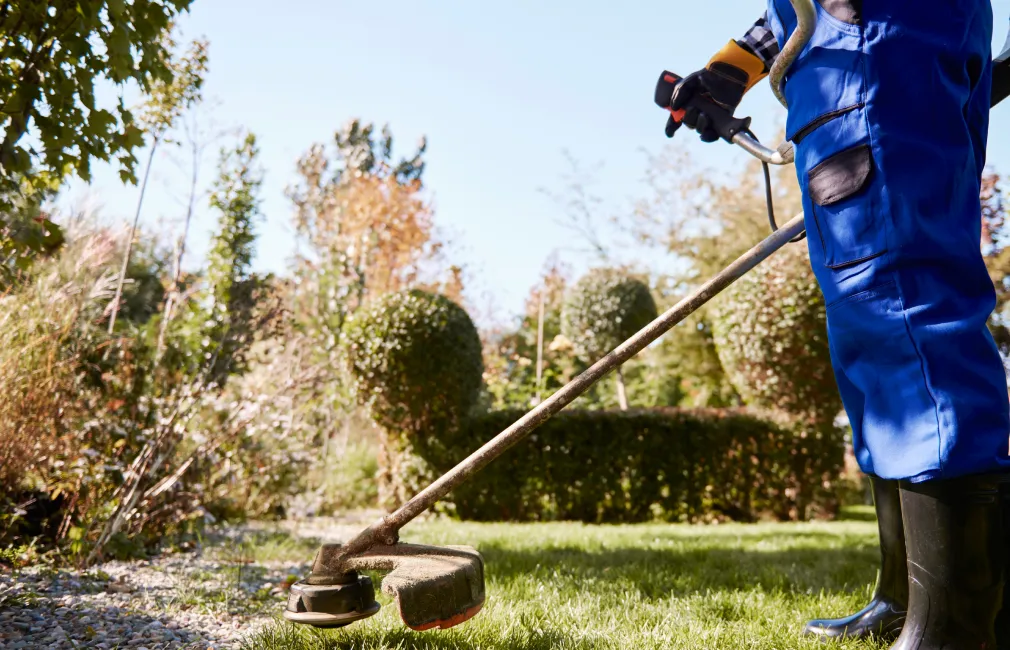
Houston enforces strict safety and noise standards for hedging operations, especially in residential areas. Equipment operation is permitted:
- Monday-Friday: 7:00 AM - 7:00 PM
- Saturday: 8:00 AM - 6:00 PM
- Sunday and holidays: Prohibited All operators must use commercial-grade trimmers with functioning mufflers (noise not to exceed 85 dB at property lines). Required personal protective equipment (PPE) includes:
- ANSI Z87.1 safety glasses
- Hearing protection for equipment over 85 dB
- Steel-toed boots and cut-resistant gloves Maintain a 15-foot clearance from overhead utilities and public sidewalks during work. For additional safety protocols, refer to city code enforcement.
Houston Code Enforcement
611 Walker Street, Houston, TX 77002
Phone: (832) 394-0600
Official Website: Houston Public Works Department
What Neighborhoods Do We Serve Throughout Houston, TX?
- River Oaks: Characterized by mature landscaping, large lots, and heavy clay soils requiring deep soil amendment and drainage solutions for successful hedging.
- The Heights: Features historic homes, narrow lots, and frequent utility easements, necessitating careful hedge placement and compliance with setback regulations.
- West University Place: Known for strict HOA guidelines, well-drained soils, and established tree canopies, which influence species selection and maintenance schedules.
- Meyerland: Located in a floodplain with periodic high water tables, requiring raised beds and flood-tolerant hedge species for reliable establishment.
- Midtown: Urban density, compacted fill soils, and limited green space present challenges for root development and access for equipment.
- Clear Lake: Proximity to bayous and wetlands demands adherence to buffer zone regulations and selection of salt-tolerant hedge varieties.
- Memorial: Large wooded lots with sloping terrain and protected areas require erosion control measures and coordination with city environmental guidelines.