
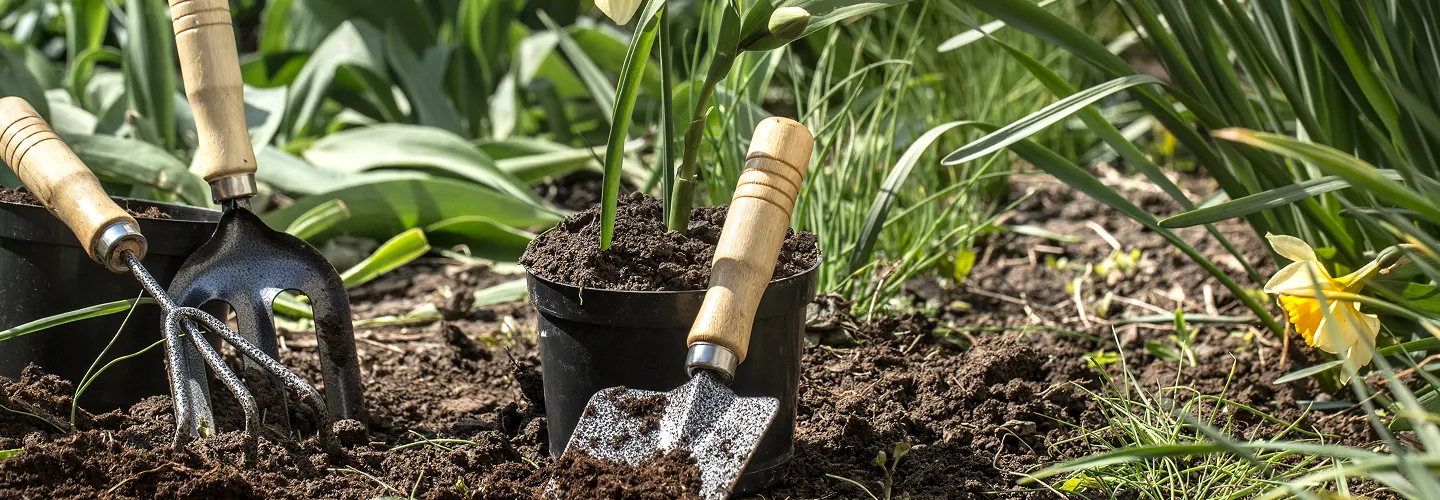
Houston Flower Bed Maintenance Services
Choose our expert flower bed maintenance for lush, healthy blooms and a beautifully manicured landscape—because your garden deserves the best care in Houston.
Get a Free QuoteOur Houston Landscaping & Yard Care Services
When to Schedule Flower Bed Maintenance in Houston, Texas – Seasonal Guide
In Houston, Texas, the best times for flower bed maintenance are shaped by our unique Gulf Coast climate and the city’s diverse neighborhoods, from the shaded streets of West University Place to the open, sun-drenched yards in Memorial. Spring and early fall are generally optimal for most maintenance tasks, as these periods offer moderate temperatures and consistent rainfall, allowing plants to recover quickly from pruning, mulching, and soil amendments. Houston’s last frost date typically falls in late February, making March an ideal time to refresh beds and prepare for the growing season.
Local environmental factors play a significant role in determining the right maintenance schedule. High humidity and frequent summer downpours can encourage weed growth and fungal issues, while the clay-heavy soils in areas like River Oaks require careful attention to drainage. Homeowners should also consider drought risk during late summer, especially in neighborhoods with limited shade or older irrigation systems. For more information on local regulations and best practices, visit the City of Sudbury’s resource page.
Local Factors to Consider for Flower Bed Maintenance in Houston
- Tree density and shade coverage (e.g., mature oaks in The Heights)
- Soil type and drainage (clay soils in River Oaks vs. sandy soils in Meyerland)
- Seasonal precipitation patterns and risk of drought
- Municipal watering restrictions and local ordinances
- Terrain and elevation, especially in flood-prone areas
- Proximity to major roads or industrial zones affecting air quality
Benefits of Flower Bed Maintenance in Houston
Enhanced Curb Appeal
Weed and Pest Prevention
Healthier Plant Growth
Seasonal Color Management
Professional Expertise
Time and Effort Savings
Houston Flower Bed Maintenance Types

Seasonal Flower Planting
-
Mulching and Soil Conditioning
-
Weed Control Services
-
Edging and Bed Redefining
-
Fertilization Programs
-
Pest and Disease Management
-
Pruning and Deadheading
Our Flower Bed Maintenance Process
Site Evaluation
Weed Removal
Soil Preparation
Plant Care
Mulching
Why Choose Houston Landscape Services
-
Houston Homeowners Trust Us
-
Expert Lawn Maintenance
-
Competitive Pricing
-
Professional Team
-
Satisfaction Guarantee
-
Personalized Service
-
Reliable Scheduling
Houston’s Predominant Soil Series and Drainage Considerations for Flower Beds
Flower bed maintenance in Houston requires careful attention to the city’s dominant soil types, including Houston Black clay, Lake Charles clay, and Beaumont clay loam, as identified by the USDA Web Soil Survey. These soils are characterized by high clay content, poor drainage, and a tendency for compaction, which can impede root growth and water infiltration. Soil pH in Houston typically ranges from 7.0 to 8.0, often necessitating amendments for optimal plant health. Best practices include:
- Incorporating 2-3 inches of compost tilled to a 6-inch depth
- Conducting soil tests through Texas A&M AgriLife Extension (typical cost: $15-25)
- Applying gypsum to improve clay structure
- Installing raised beds for areas with persistent drainage issues
Proper soil management supports healthy root systems and reduces runoff into local bayous and storm drains.
Seasonal Timing and Climate Zone Guidance for Houston Flower Bed Maintenance
Houston’s USDA Hardiness Zone 9a-9b, with average annual minimum temperatures of 20-30°F, shapes the timing of flower bed maintenance. The optimal window for planting and major bed renovations is from February 15 to April 15, when soil temperatures reach 60°F. Mulching and fertilization should be completed by early May to avoid heat stress during Houston’s hot, humid summers. Key timing recommendations include:
- Spring planting: February 15 – April 15
- Fall planting: October 1 – November 15
- Mulch application: March and October (2-3 inches depth)
- Fertilization: Early March and late September (avoid June-August)
For weather-specific scheduling, consult the National Weather Service Houston/Galveston Office. Adhering to these seasonal guidelines ensures plant establishment and minimizes losses due to extreme weather events.
Municipal Coordination: Houston’s Yard Waste Collection and Debris Disposal Protocols
Proper disposal of flower bed debris in Houston is regulated by the city’s Solid Waste Management Department. Weekly yard waste collection occurs every Monday for most residential areas, with the following requirements:
- Use biodegradable bags or 32-gallon reusable containers
- Place bags/containers curbside by 7:00 AM
- Prohibited: Plastic bags, branches over 4 inches diameter, soil
- Accepted: Leaves, grass clippings, small brush, spent annuals
- Collection suspended on city holidays
Violations may result in fines under Houston’s municipal code. For large-scale bed renovations, debris must be transported to an approved neighborhood depository. Coordination with municipal services is essential for compliance.
Houston Public Works Department
611 Walker Street, Houston, TX 77002
Phone: (832) 395-2500
Official Website: Houston Public Works Department
Environmental Compliance: Stormwater, Buffer Zones, and State Regulations in Houston
Flower bed maintenance activities in Houston must comply with the city’s MS4 stormwater permit under the Clean Water Act and Texas Water Code. Key requirements include:
- No yard waste or soil may enter storm drains or bayous
- Maintain a 25-foot no-disturbance buffer from wetlands and protected waterways
- Fertilizer application is prohibited within 50 feet of water bodies
- All chemical applications must follow Texas Commission on Environmental Quality (TCEQ) guidelines
Violations can result in enforcement actions by the city or state. For technical guidance, consult EPA Region 6 and the Houston Environmental Board.
Houston Environmental Board
901 Bagby Street, Houston, TX 77002
Phone: (832) 393-0980
Official Website: Houston Environmental Board
Texas Commission on Environmental Quality
12100 Park 35 Circle, Austin, TX 78753
Phone: (512) 239-1000
Official Website: Texas Commission on Environmental Quality
Plant Selection for Houston Flower Beds: Native and Climate-Adapted Species
Selecting appropriate plant species is critical for sustainable flower bed maintenance in Houston’s subtropical climate. Recommended species for full sun include:
- Black-eyed Susan (Rudbeckia hirta)
- Gulf Coast penstemon (Penstemon tenuis)
- Lantana (Lantana camara)
- Purple coneflower (Echinacea purpurea)
For partial shade:
- Turk’s cap (Malvaviscus arboreus)
- Coral bells (Heuchera spp.)
- Inland sea oats (Chasmanthium latifolium)
Native options such as Texas bluebonnet (Lupinus texensis) and cardinal flower (Lobelia cardinalis) support pollinators and require less irrigation. Plant spacing should be 12-18 inches for annuals and 18-24 inches for perennials to ensure air circulation and reduce disease risk. For additional guidance, refer to Texas A&M AgriLife Extension.
What Neighborhoods Do We Serve Throughout Houston, TX?
- River Oaks: Features mature landscapes and heavy clay soils, requiring frequent soil amendment and drainage management for flower beds.
- The Heights: Historic district with compacted urban soils and narrow lots, necessitating raised beds and careful plant selection for shade tolerance.
- West University Place: Predominantly residential with large lots and established trees, presenting challenges with root competition and leaf litter accumulation.
- Meyerland: Located in a floodplain, this area demands elevated beds and flood-tolerant species due to periodic inundation and slow-draining soils.
- Midtown: High-density development with limited green space, where container gardening and soil remediation are often required for successful flower beds.
- Clear Lake: Proximity to water bodies and sandy loam soils influence plant selection and irrigation practices, with attention to salt tolerance and runoff control.
- Memorial: Wooded lots and rolling terrain create microclimates and variable drainage, requiring site-specific maintenance strategies and erosion control measures.