
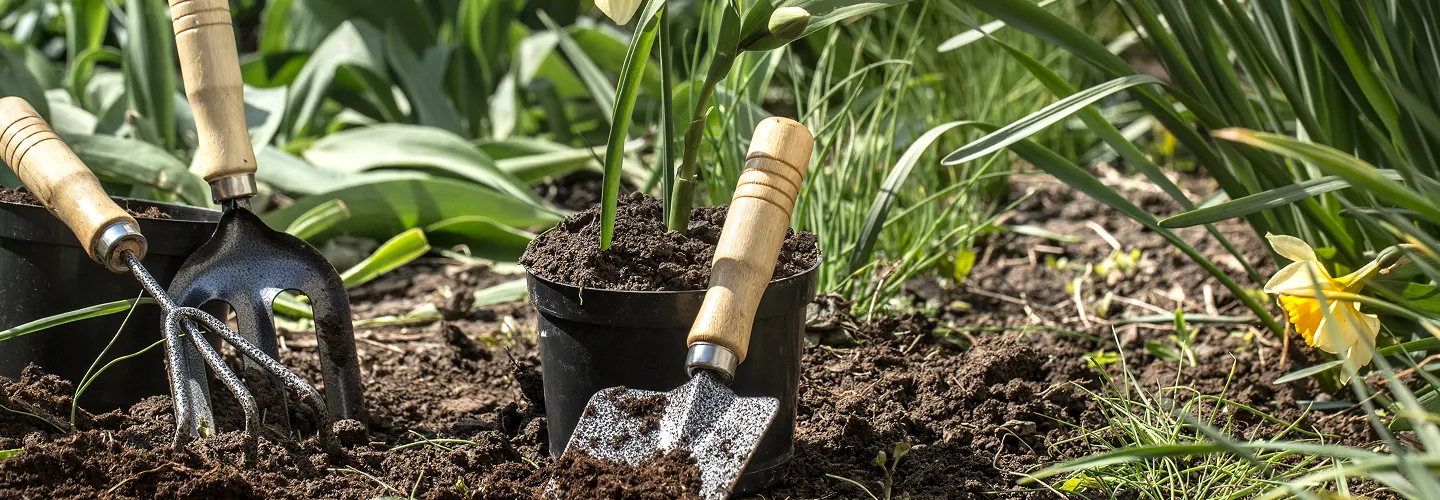
Houston Mulching Services
Choose our mulching services for expert installation, premium materials, and long-lasting results that protect your plants, conserve moisture, and boost your curb appeal.
Get a Free QuoteOur Houston Landscaping & Yard Care Services
When to Schedule Mulching in Houston, Texas – Seasonal Guide
In Houston, the best times to schedule mulching are typically in early spring and late fall. The city’s subtropical climate, with its mild winters and hot, humid summers, means that mulching in March or April helps retain soil moisture before the summer heat arrives, while a fall application in October or November protects roots from unexpected cold snaps. Neighborhoods like The Heights and West University Place, with their mature tree canopies, benefit from mulching just before the rainy season to prevent soil erosion and suppress weed growth.
Local environmental factors play a significant role in determining the optimal mulching schedule. Houston’s clay-heavy soils, frequent summer droughts, and occasional winter frosts (especially in areas near Memorial Park or along Buffalo Bayou) all influence when and how much mulch to apply. Homeowners should also consider municipal guidelines and local resources, such as those provided by the City of Sudbury, for best practices and seasonal recommendations.
Local Factors to Consider for Mulching in Houston
- Tree density and shade coverage in your yard
- Soil type (clay, sand, or loam) and drainage
- Annual precipitation patterns and drought risk
- Proximity to flood-prone areas or bayous
- Municipal restrictions or neighborhood association guidelines
- Timing of local frost dates and extreme heat periods
Benefits of Mulching in Houston
Enhanced Soil Moisture Retention
Weed Growth Suppression
Improved Curb Appeal
Temperature Regulation for Plant Roots
Reduced Soil Erosion
Nutrient-Rich Soil Enrichment
Houston Mulching Types

Pine Bark Mulch
Pine bark mulch is a popular choice for landscaping due to its natural appearance and ability to retain moisture.
-
Cedar Mulch
Cedar mulch offers a pleasant aroma and natural insect-repelling properties, making it ideal for garden beds.
-
Hardwood Mulch
Hardwood mulch is durable and breaks down slowly, providing long-lasting coverage for your landscape.
-
Colored Mulch
Colored mulch is available in various shades to enhance curb appeal and complement your landscape design.
-
Rubber Mulch
Rubber mulch is made from recycled materials and provides excellent weed control and durability.
-
Compost Mulch
Compost mulch enriches the soil with nutrients while helping to retain moisture and suppress weeds.
-
Pine Straw Mulch
Pine straw mulch is lightweight and easy to spread, making it a favorite for flower beds and walkways.
Our Mulching Process
Site Evaluation
Soil Preparation
Mulch Selection
Mulch Application
Final Inspection
Why Choose Houston Landscape Services
-
Houston Homeowners Trust Us
-
Expert Lawn Maintenance
-
Competitive Pricing
-
Professional Team
-
Satisfaction Guarantee
-
Personalized Service
-
Reliable Scheduling
Mulching and Soil Health in Houston’s Expansive Clay and Sandy Coastal Soils
Mulching practices in Houston must account for the city’s predominant soil series, including Houston Black clay (Vertisols) and sandy coastal soils, as identified by the USDA Web Soil Survey. These soils exhibit poor drainage and high compaction, especially in urbanized areas. For optimal soil health, apply 2-3 inches of organic mulch and maintain a 3-inch buffer from tree trunks to prevent rot. Soil pH in Houston typically ranges from 6.0 to 7.5; periodic soil testing is recommended through Texas A&M AgriLife Extension. Amendments such as compost or pine bark can improve structure and nutrient retention. Mulch should be replenished every 12-18 months, particularly after heavy rainfall events. Avoid using plastic sheeting beneath mulch, as it impedes water infiltration and root respiration.
Municipal Mulch Disposal and Collection Schedules in Houston
Houston’s Department of Public Works oversees yard waste collection and mulch disposal, with weekly curbside pickup available for residents. Accepted materials include leaves, grass clippings, and brush under 4 feet in length, placed in biodegradable bags or reusable bins (32-gallon maximum). Prohibited items include plastic bags and branches over 4 inches in diameter. Collection occurs every Thursday from April through November. Residents must place materials at the curb by 7:00 AM on collection day. For large volumes, the city operates neighborhood depositories for organic waste. Compliance with these procedures helps prevent stormwater violations under the Clean Water Act and Houston’s MS4 permit.
Houston Public Works Department
611 Walker Street, Houston, TX 77002
Phone: (832) 395-2500
Official Website: Houston Public Works Department
Environmental Compliance: Mulching Near Houston’s Bayous, Wetlands, and Protected Areas
Mulching activities adjacent to Houston’s bayous, wetlands, and conservation lands must adhere to buffer requirements and stormwater regulations. Maintain a minimum 25-foot no-disturbance buffer from delineated wetlands and water bodies such as Buffalo Bayou and Brays Bayou. The Texas Commission on Environmental Quality (TCEQ) enforces MS4 stormwater rules prohibiting mulch or yard debris from entering storm drains. Mulch piles should be stabilized to prevent runoff during rain events, and no fertilizer or herbicide applications are permitted within 50 feet of water bodies. For properties near protected areas, consult the Houston Environmental Board for site-specific guidance.
Houston Environmental Board
901 Bagby Street, Houston, TX 77002
Phone: (832) 393-0980
Official Website: Houston Environmental Board
Texas Commission on Environmental Quality
12100 Park 35 Circle, Austin, TX 78753
Phone: (512) 239-1000
Official Website: Texas Commission on Environmental Quality
Seasonal Mulching Timing and Weather Considerations for Houston’s Climate Zone 9a
Houston’s humid subtropical climate (USDA Hardiness Zone 9a) requires careful timing for mulching to maximize benefits and minimize pest risks. The optimal window for mulch application is late February through early April, before peak rainfall and summer heat. Avoid mulching during June-August, when high temperatures (often exceeding 95°F) can promote fungal growth and pest activity. Monitor local weather forecasts through the National Weather Service Houston/Galveston Office to avoid applying mulch immediately before heavy rain events, which can cause runoff. Replenish mulch in late September to prepare for winter moisture retention. For best results:
- Spring mulching: February 15 – April 10
- Fall replenishment: September 15 – October 31
- Maintain 2-3 inch depth; avoid exceeding 4 inches
- Keep mulch 3 inches from trunks and stems
Mulching Equipment Operation and Safety Standards Under Houston Ordinances
Houston’s municipal code regulates equipment operation for mulching and landscaping activities to minimize noise and ensure public safety. Permitted hours for powered equipment are:
- Monday-Friday: 7:00 AM – 7:00 PM
- Saturday: 8:00 AM – 6:00 PM
- Sunday and holidays: Prohibited Operators must use commercial-grade mulchers with functioning mufflers, and noise levels must not exceed 85 decibels at property lines. All personnel are required to wear ANSI Z87.1 safety glasses, hearing protection for equipment over 85 dB, and steel-toed boots. When working within 15 feet of public roads or sidewalks, high-visibility vests are mandatory. For projects near underground utilities, contact 811 at least 72 hours in advance. The Houston Public Works Department provides additional safety guidance and can review traffic control plans for large-scale mulching operations.
What Neighborhoods Do We Serve Throughout Houston, TX?
- River Oaks: Characterized by mature tree canopies and heavy clay soils, requiring frequent mulch replenishment and careful root zone management to prevent compaction and runoff.
- The Heights: Features historic properties with narrow lots and variable fill soils; mulching must address drainage challenges and comply with local preservation guidelines.
- West University Place: Known for high-density development and strict HOA landscaping standards, necessitating precise mulch application and adherence to setback requirements.
- Meyerland: Located in a floodplain with poorly drained soils; mulching practices must prioritize erosion control and stormwater compliance, especially after major rain events.
- Midtown: Urban environment with compacted soils and limited green space; mulching supports soil health and tree survival amid heavy pedestrian and vehicular traffic.
- Kingwood: Proximity to Lake Houston and forested areas increases the need for buffer compliance and invasive species monitoring during mulching activities.
- Clear Lake: Coastal soils and salt exposure require selection of mulch materials that resist decomposition and support native plantings, with attention to water quality protection.